Charity and thrift shop POS

Charity shop EPOS that any volunteer can use on day one.

POS2026 gives charity shops and thrift stores a simple till, price-band products for donated stock, and sales and expense reports clear enough to take to the trustees.

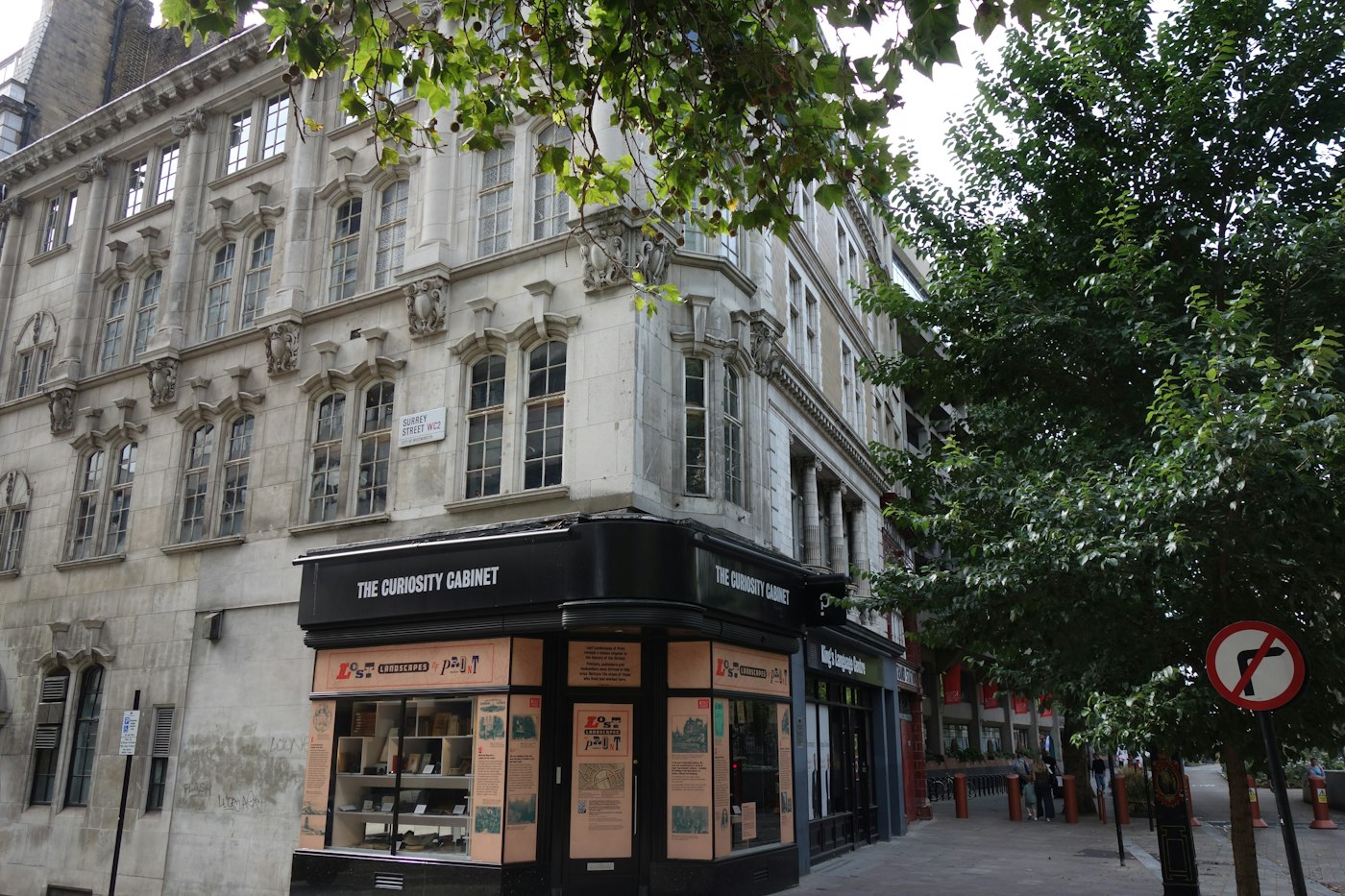
A small independent corner shop on a London street
Every donation sold, recorded and reported.

In short

Charity shop EPOS is a till system that records every sale of donated and bought-in goods and turns them into clear reports. POS2026 suits charity shops and US thrift stores: a simple checkout volunteers learn quickly, price-band products for donated items, expenses for rent and running costs, and sales reports to share with trustees. It does not process Gift Aid.

A charity shop runs on goods it did not pay for and, often, on people it does not pay. Donations arrive in bags and boxes every day, no two the same. Volunteers come and go across the week, some for a single morning. The shop still has to show the charity what it raised, what it cost to run and which kinds of donation are worth the floor space.

A basic till records totals and little else. POS2026 records each sale against a product or price band, so you can see whether books, clothing, bric-a-brac or new goods brought the money in. Because donated stock has no purchase cost, takings are close to gross profit, and the real question becomes how much the shop costs to run. That is what the expense records and Loss/Profit answer.

Why charity shops switch

What makes a charity shop till different.

The stock is free, the team changes daily and the figures go to a board of trustees.

  • Pricing one-off items

    Every donated item is unique. Setting up a product for each would take longer than selling it, so pricing has to be quick and consistent.

  • A changing team at the till

    Volunteers may work one shift a week. The till has to be obvious enough that a new helper can serve a customer after a short walk-through.

  • Reporting to trustees

    Trustees and the charity want to know what each shop raised and what it cost to run. Totals scribbled on a cash sheet do not answer that.

  • Running costs that eat the takings

    Rent, energy, waste collection and rails all come out of what the shop raises. Without them on record, a shop can look healthier than it is.

An older man with glasses standing in a shop with clothing rails behind him
Price by type, report by category.

01 · Pricing donated goods

Price bands instead of a product for every donation.

Most charity shops and thrift stores price by type rather than by item. Mirror that with a small set of products such as paperbacks, hardbacks, women's tops, men's jackets, children's clothing and bric-a-brac, each at its usual price. A volunteer taps the band at the till, applies a discount if an item has been marked down, and the sale lands in the right category.

New goods that arrive with a barcode, such as cards, gifts or fair-trade lines, are added with their barcode and cost price like any shop stock, so their margin is tracked properly.

Price-band products

One product per type and price, ready to tap.

Categories

Books, clothing, homeware and new goods reported separately.

Barcodes for new goods

Bought-in stock scans and keeps its cost price.

How Products works
Two smiling people in aprons standing together in their shop
Simple enough for a first shift.

02 · A simple till

A charity shop till system volunteers learn in one shift.

The checkout shows products with their pictures and categories, so a new volunteer can find "Paperback" or "Kids' clothing" without memorising codes. The steps are the same for every sale: add the items, apply any discount, record how the customer paid and print the receipt where a printer is set up.

POS2026 runs in a web browser on a laptop or tablet the shop may already own, which keeps the cost of a second till down. Short, repeatable steps also mean fewer mistakes for the manager to unpick at the end of the day.

Pictures on the till

Volunteers find the right band by sight.

Same steps every sale

Easy to teach in one practice sale.

Markdowns

Reduce a price at the till and keep the real amount on record.

How POS Sales works
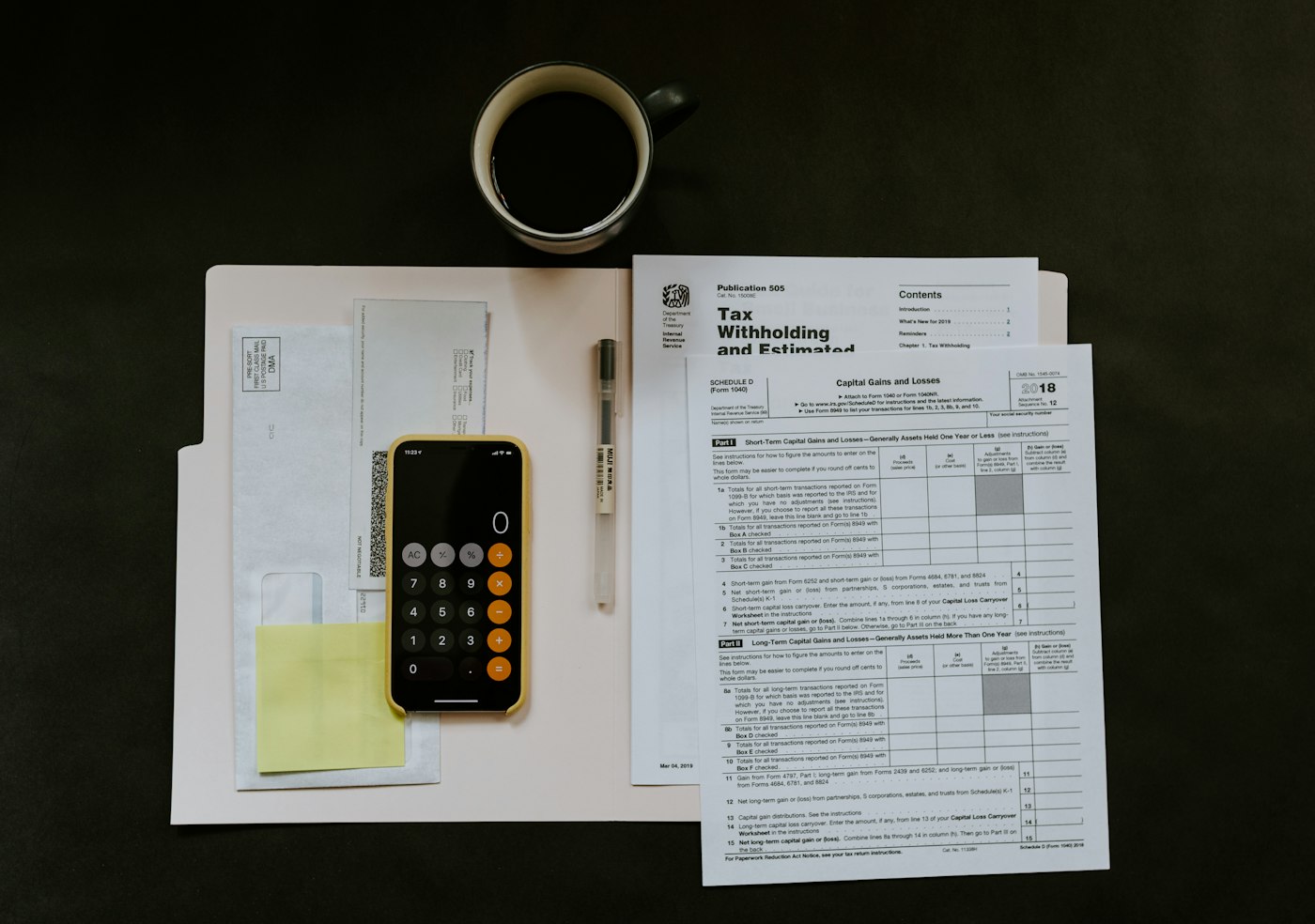
A smartphone calculator and a pen on top of printed financial papers
Takings minus the real cost of opening the doors.

03 · Running costs

What the shop raised, after what it cost to run.

Record rent, energy, insurance, waste collection, rails and hangers as expenses in categories that suit your charity, and mark the monthly ones as recurring so none is missed. Loss/Profit then sets sales against the cost of any bought-in goods and the shop's expenses, giving the figure trustees most want to see: what the shop actually contributed.

Expense categories

Running costs grouped the way your charity reports them.

Recurring costs

Rent and utilities entered once and repeated on schedule.

Loss/Profit

The shop's real contribution for any period.

How Expense works
A calculator on a table next to a laptop
From the till to the trustees in a few clicks.

04 · Reports for trustees

Reports ready for the trustees' meeting.

Sales reports show takings by day, week or month and by category, so you can see whether book sales are rising or clothing is carrying the shop. Filter by date range for a quarter or the financial year, then export the figures for the treasurer, the trustees or the charity's accountant.

If the charity runs more than one shop, multi-branch is available on the plans that include it, and sorted donations can be transferred from one shop's stock to another.

Sales reports

Takings by period and category.

Filters

Narrow to a quarter, a year or one category.

Export

Figures ready for the treasurer and trustees.

How Report works

Getting started

Set up your charity shop in a morning.

A handful of price bands is enough to open with. Refine them as you go.

  1. Open a free trial account and choose pounds or dollars as the shop currency.
  2. Create price-band products for the donated goods you sell most, each with an image.
  3. Add any new goods with their barcodes and cost prices.
  4. Enter the shop's regular expenses and mark the monthly ones as recurring.
  5. Walk each volunteer through one practice sale.
  6. Open the doors and take your first sale.

Questions

Common questions.

Straight answers for shop owners, based on what POS2026 actually does.

Does POS2026 handle Gift Aid?

No. POS2026 does not record Gift Aid declarations, link donors to sales or prepare Gift Aid claims. Charity shops that use the Retail Gift Aid Scheme run it through a separate system, following HMRC guidance. POS2026 records the sales and the costs.

Is POS2026 a good POS for a thrift store in the US?

Yes. Set the currency to US dollars and use price-band products for donated items, just as a UK charity shop would. Thrift stores keep their existing card reader, since POS2026 records payments rather than processing them.

Can it handle consignment stock?

Not as a dedicated feature. POS2026 does not split each sale between the shop and a consignor or calculate consignor payouts. A second-hand shop that buys its stock outright can record those purchases and costs as normal.

How do I price donated items quickly?

Set up price-band products in Products: one product per type and usual price, such as paperbacks or children's clothing. Volunteers tap the band at the till and apply a discount when an item is marked down.

How much does it cost?

Plan options and prices appear in the app once the charity has an account. You can start on a free trial, and new accounts have a 30-day money-back guarantee on their first payment.

Raise more from every donation.

Start your free trial, set up your price bands and show the trustees exactly what the shop contributes.

Explore Features Get Started